From the Field
All Stories
In-depth reporting on how AI is solving real problems for real people, from healthcare delivery in rural Africa to ocean cleanup in the Pacific.
91 stories

AI Assisted Mapping Puts Invisible Communities on the Disaster Map
The Humanitarian OpenStreetMap Team and its open fAIr tool use AI models to detect buildings and roads in satellite imagery, producing detailed crisis maps in a fraction of the time across 94 countries.

Apple Intelligence Makes iPhones and Vision Pro Dramatically More Accessible
Apple's 2026 accessibility updates use Apple Intelligence to let blind users explore any screen conversationally, generate on device subtitles for uncaptioned video, and control power wheelchairs with eye tracking on Vision Pro.
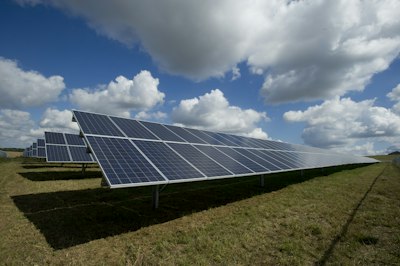
AI Solar Forecasts Are Saving the UK Grid 300,000 Tonnes of CO2 a Year
Open Climate Fix's Quartz Solar is 2.8 times more accurate than the old forecasts at the UK's grid operator NESO, halving solar forecast errors and avoiding around 300,000 tonnes of CO2 and 30 million pounds a year.

Anthropic's Record IPO Comes With the Largest Charity Pledge in Tech History
Anthropic raised 81.3 billion dollars in the largest IPO ever, and its seven co-founders pledged 80 percent of their personal equity to charity, with a 3 to 1 match on employee giving.
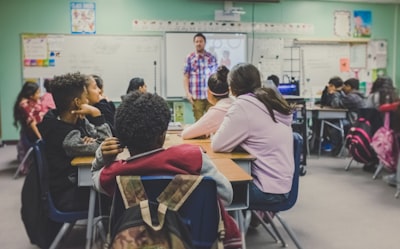
GAILA Unites UNICEF, Google and Anthropic to Bring AI Learning to the World's Poorest Classrooms
The Global AI for Learning Alliance, launched in February 2026, coordinates UNICEF, Google, Anthropic, the Gates Foundation and 40 plus organizations to make AI learning tools work for low and middle income countries.

Jacaranda Health's PROMPTS AI Triages SMS Messages to Save Mothers and Newborns Across Kenya
Jacaranda Health's AI text service PROMPTS uses natural language processing and open source Swahili models to triage over 5,000 daily SMS messages, empowering three million mothers across Kenya with life saving care.

Plantix AI Diagnoses Crop Diseases From a Single Smartphone Photo
Plantix uses deep learning image recognition to identify over 500 crop diseases, pests, and nutrient deficits from a photo, reaching ten million smallholder farmers with 90 percent accuracy.

EarthRanger AI Tracks Wildlife and Cuts Human Wildlife Conflict
EarthRanger combines IoT sensors, GPS collars, and machine learning to give park managers real time operational data across 500 protected areas, cutting human wildlife conflict deaths by 91 percent in Malawi.
AI Predicts Child Malnutrition in Kenya Six Months Before It Hits
USC, Amref Health Africa, Kenya's Ministry of Health and the Microsoft AI for Good Lab built a model that forecasts acute child malnutrition six months ahead with 86 percent accuracy.
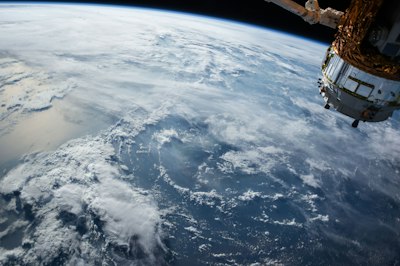
MIT Trains Climate Emulators on Strange Scenarios So They Hold Up in the Real World
MIT published a method that trains climate emulators on synthetic, deliberately unrealistic scenarios, producing AI climate models that are faster to build and hold up on unfamiliar futures.
Project GameFace Lets People Control a Computer With Only Their Face
Google's open source AI tool turns head movements and facial gestures into full cursor control on Windows and Android, using just a webcam. Free for anyone who needs it.

IRC Signpost AI Answers Refugees in Seconds With Strict Safety Rails
The IRC built Signpost AI, a platform for AI agents that answer humanitarian questions grounded in verified content, cutting response times from days to under 10 seconds.

A Wireless Box Detects Parkinson's From Breathing While You Sleep
MIT researchers built an AI that detects Parkinson's and tracks its progression from nocturnal breathing, collected by a contactless router like device, published in Nature Medicine.

Remote Controlled Trucks Are Delivering Aid Where It Is Deadliest
WFP and the German Aerospace Center fitted amphibious SHERP trucks with AI and remote control so no driver sits behind the wheel on the deadliest legs of aid deliveries.
Ersilia Puts 150 Free AI Drug Discovery Models in Researchers' Hands
The Ersilia Open Source Initiative runs about 150 free AI models for neglected disease drug discovery, equipping Global South labs that pharma ignores.

BirdNET Turns a Million Hours of Forest Sound Into Conservation Data
Cornell Lab's open source BirdNET AI identifies more than 6,500 bird species by sound and has scanned 1 million hours of Sierra Nevada audio to guide forest management.

Voiceitt Built Speech Recognition for Voices That AI Never Understood
Voiceitt is the first commercial speech recognition system built for nonstandard speech from cerebral palsy, Parkinson's and stroke, integrating with Alexa and Webex.
An AI Chatbot on WhatsApp Is Coaching Teachers in Northeast Nigeria
The IRC's aprendIA chatbot delivers instant classroom help and micro courses to teachers in crisis affected northeast Nigeria, reaching over 6,000 educators.

Annie MOORE Decides Where Refugees Are Most Likely to Thrive
Annie MOORE matches arriving refugees to the US communities where they are most likely to find work, lifting early employment by over 20 percent for HIAS.
A Smartphone App is Restoring Sight Across Kenya and Botswana
Peek Vision turns any smartphone into a clinical grade vision test. Health workers have screened hundreds of thousands of people in Kenya and Botswana.

NASA Harvest Uses Satellites and AI to Map Every Farm Field on Earth
NASA Harvest's machine learning reads satellite imagery to map crops and forecast yields, from Ukrainian wheat fields during war to Ugandan drought zones.

Aira Puts Live Visual Interpreting on Meta Smart Glasses
Aira streams live video from Meta smart glasses to professional visual interpreters, giving blind and low vision users hands free help in stores and airports.
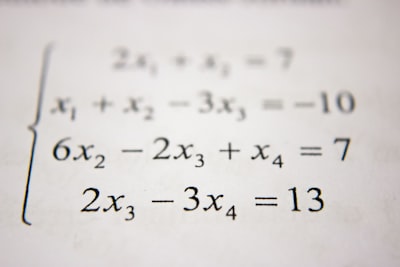
Darsel's AI Math Tutor Fits Inside a WhatsApp Message
Darsel delivers an AI math tutor over WhatsApp, SMS and Messenger to students in low income countries. 264,000 students have answered 269 million questions.

Zzapp Malaria Uses AI to Drain the Swamp Mosquitoes Breed In
Zzapp Malaria's AI predicts where mosquitoes will breed and plans larviciding that cut malaria cases by 52.5 percent in São Tomé and Príncipe.

Project Revoice Gives ALS Patients Their Own Voices Back
Project Revoice, from the ALS Association, uses deep learning voice cloning so people losing speech to ALS can keep speaking in their own voice.
DeepRare Diagnoses Rare Diseases Faster Than Doctors Can
DeepRare, published in Nature in 2026, ranks rare disease diagnoses from symptoms and DNA data and beat experienced physicians on 6,401 test cases.
Climate TRACE Tracks Emissions From 745 Million Sources the Polluters Never Reported
Climate TRACE uses satellites, open data and machine learning to track greenhouse gas emissions from 745 million sources and publish facility level data.
Farmer.Chat Cut the Cost of Agricultural Advice by 100x
Digital Green's AI assistant Farmer.Chat answers smallholder farmers in their own language and cuts the cost of advice from 35 dollars to 35 cents.

Google Open Buildings Mapped 1.8 Billion Homes the World Had Never Counted

iNaturalist: The AI That Names 90,000 Species From a Single Photo
iNaturalist's computer vision identifies over 90,000 species from phone photos, turning 300 million amateur observations into research grade data.
Google and the Gates Foundation Are Bringing AI to 200 Million Farmers
A $100 million partnership will scale real time climate, crop and language AI tools to 200 million smallholder farmers across Africa and South Asia.
Karya Pays Rural Indians up to 20 Times Minimum Wage to Build AI
The Indian nonprofit Karya pays rural workers, most of them women, far above market rates to record speech and label data in languages like Kannada.

Spherical DYffusion Simulates 100 Years of Climate in 25 Hours
UC San Diego and Allen Institute researchers built a generative AI climate emulator that projects a century of climate in 25 hours, with no supercomputer.

The AI That Catches Sepsis Hours Before Doctors Do
Johns Hopkins' TREWS machine learning system monitored 590,000 patients, caught sepsis hours earlier, and cut patients' risk of death by 20 percent.
Project CETI Is Using Machine Learning to Decode Sperm Whale Language
Project CETI's machine learning detects sperm whale clicks with 99.5 percent accuracy and has identified a phonetic alphabet, the closest thing to language.
MethaneSAT and Google AI Exposed Hidden Methane Leaks From Space
The Environmental Defense Fund's MethaneSAT, built with Harvard and paired with Google AI, shows oil and gas methane emissions far above official inventories.
Simprints Uses Fingerprints and AI to Prove Vaccines Reach the Right People
Simprints builds open source biometric ID tools that link fingerprints and faces to health records, verifying 551,000 vaccine doses and treatments in 2024.

AI Scans Drone Photos to Find Landmines Hidden Across Ukraine
Safe Pro AI's SpotlightAI analyzes drone imagery to find landmines and unexploded bombs across Ukraine, processing each image in 0.2 seconds.

Hala Systems Sentry Warned Syrians of Airstrikes Before They Hit
Hala Systems built Sentry, an AI early warning system that detected warplanes over Syria and gave civilians minutes of warning, reaching 2.3 million people.
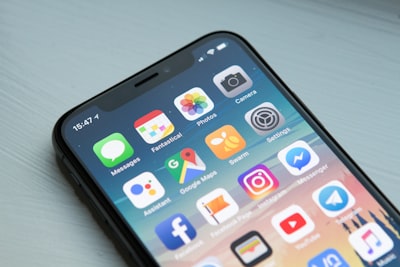
Be My AI Gives a Million Blind Users Instant Visual Descriptions
Be My Eyes pairs blind and low vision users with 10 million volunteers and AI. Its Be My AI feature answers visual questions in seconds for a million users.

AI Satellites Exposed the Dark Fleet Fishing in Secret
Global Fishing Watch uses satellite radar and machine learning to reveal fishing vessels that switch off their tracking, exposing hidden industrial fishing.
NVIDIA Earth-2: The Digital Twin Predicting Extreme Weather Before It Strikes
NVIDIA's Earth-2 platform uses generative AI to simulate Earth's climate at kilometer scale, helping agencies like Taiwan's forecast typhoon landfall.
RAD-AID Is Bringing AI Radiology to Hospitals That Have No Radiologists
RAD-AID International pairs AI tools for chest X-rays and mammography with training and infrastructure so low income hospitals can use them safely.

AI Is Learning Sign Language, and Deaf Communities Are Watching Closely
From SignAll's camera based ASL translation to academic models, researchers are teaching machines to understand sign language. Progress is real but hard.
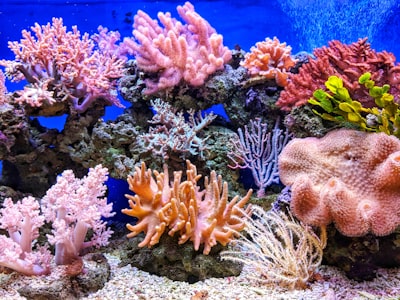
Robots Are Planting Coral Faster Than Humans Ever Could
LarvalBot delivers millions of coral larvae to damaged Great Barrier Reef sites while Coral Maker's AI guided robots plant coral at industrial speed.
The Famine Early Warning System Is Adding AI to Predict Hunger Sooner
FEWS NET, the famine early warning network born after the 1980s Ethiopian famines, is adopting machine learning to forecast food crises months ahead.
Planet's Satellites and AI Are Mapping Disaster Damage in Hours, Not Weeks
Planet Labs images the whole Earth daily and applies AI to deliver building damage assessments to responders within hours of wildfires and floods.

OpenAI's Whisper Is Helping Preserve Languages With Fewer Speakers Left
Researchers are fine tuning Whisper, OpenAI's open speech model, for endangered languages like Baniwa and Hawaiian, building archives where none existed.
The Algorithm That Found Flint's Lead Pipes
University of Michigan researchers built a model that predicted which Flint homes had lead pipes with about 97 percent accuracy, speeding up their removal.
Tarjimly Connects Refugees to Interpreters in Minutes Using AI
The nonprofit app Tarjimly uses machine learning to match refugees and aid workers with volunteer translators across hundreds of language pairs in minutes.
AI Can Predict Alzheimer's Years Before Doctors Could
Cambridge researchers built a model over 80 percent accurate at predicting which patients with mild cognitive impairment will get Alzheimer's.
Wildbook: The AI That Knows Every Whale Shark by Its Spots
Wild Me's Wildbook uses computer vision to identify individual animals from photographs, turning tourist snapshots into population data for extinction risk.

AI Ultrasound Is Reaching Mothers Who Never Had a Scan
Philips AI guided ultrasound programs in Kenya help nurses and midwives capture and read pregnancy scans in communities where most maternal deaths occur.
Food Banks Are Using AI to Get the Right Food to the Right Families
From Feeding America's supply chain analytics to academic routing research, AI is helping food banks move millions of meals more efficiently and equitably.
Google's Android AI Features Are Quietly Rebuilding Life for Disabled Users
Live Transcribe, Look to Speak and Expressive Captions use on device AI to give speech, sight and sound back to Android users with disabilities.

BeeHero's Hive Sensors and AI Are Keeping the World's Pollinators Alive
BeeHero fits hives with sensors and machine learning that track bee health in real time across hundreds of thousands of hives and millions of acres of crops.

An AI That Answers at 2 AM: AlphaMa Takes On the Mental Load of Motherhood
Mothers carry 71% of a household's cognitive labor and the toll was long treated as normal. AlphaMa built a voice first AI to carry that load with them.

An AI Doctor in Your Pocket That Monitors You 24/7
Prana is building an AI primary care doctor on your phone that monitors health signals continuously and catches problems before they become emergencies.
Beacon Health is Putting Value-Based Primary Care on Autopilot
Beacon Health uses AI agents to automate the administrative work that overwhelms primary care clinics, so doctors can focus on patients instead of paperwork.
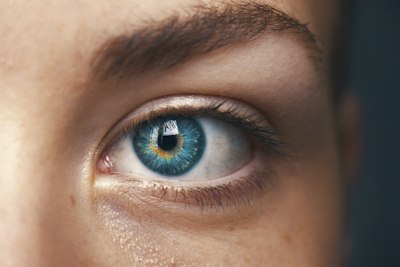
A Tiny Retinal Implant is Restoring Sight to the Blind
Science Corp built a brain computer interface that stimulates cells in the eye, helping blind patients see again. Over 40 people have received it in trials.

Zipline's Drones Have Delivered a Million Medical Packages in Africa
How AI-guided drones are transforming healthcare delivery in Rwanda and Ghana, reaching clinics that roads cannot.

How Crisis Text Line Uses AI to Save Lives at Scale
Machine learning helps counselors identify who is in immediate danger, reducing response time for high risk cases by 4x.

The Ocean Cleanup's AI is Finally Seeing What We Couldn't
How satellite imagery and deep learning are mapping ocean plastic at scale and guiding the largest cleanup effort in history.

GenCast: How DeepMind Built a Weather Forecaster That Outperforms Supercomputers
Google DeepMind's GenCast outperforms ECMWF on 97.2% of targets, runs 15-day forecasts in 8 minutes on a single TPU, and is now open-sourced for the world.
AlphaFold Predicted 200 Million Protein Structures
DeepMind's AlphaFold database of 200 million protein structures serves 3 million researchers, and a DNDi partnership targets neglected diseases like Chagas.
A $2,000 Ultrasound Probe is Saving Mothers in Africa
Butterfly Network's handheld ultrasound, in over 1,000 clinics and paired with AI guidance, trained 1,050 providers and helped cut maternal deaths 20.6%.

FireSat Can Spot a Wildfire from Space
Google Research and the Earth Fire Alliance are deploying a satellite constellation that detects 5x5 meter fires and scans the entire planet every 20 minutes.
Europe is Building a Digital Twin of the Planet
The EU's Destination Earth initiative combines AI with supercomputing to build a digital replica of Earth's climate. Phase 1 was delivered in June 2024.

Google Flood Hub: Protecting 460 Million People
Google Flood Hub uses AI to deliver flood forecasts up to 7 days ahead in over 80 countries, with street level predictions for governments and communities.

ReadBuddy: 58% to 83% Reading Accuracy in Six Weeks
An offline AI literacy platform from a Nigerian NGO won the AI for People award at the AI for Good Impact Awards 2026, helping girls learn to read.

Khanmigo: 700,000 Students in One Year
Khan Academy's AI tutor Khanmigo uses the Socratic method, partners with 380+ school districts, and costs just $15 per student per year.

Kolibri Brings Education to Students with No Internet
Learning Equality's offline first platform Kolibri reaches 200+ countries, serves refugee learners, and showed 14% math gains in Cameroon.

India's Snakebite Crisis Meets Its Match: AI-Designed Antivenom

The Speech Accessibility Project: AI for Impaired Speech
The University of Illinois Speech Accessibility Project collected 1,500 hours of recordings from people with Parkinson's and ALS to cut AI error rates.
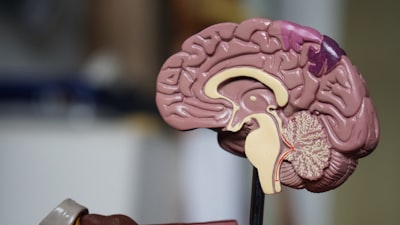
ARDA Screened One Million Patients for Blindness Risk
Google's ARDA has screened over a million patients for diabetic retinopathy in India, Thailand and Australia, where retina specialists are scarce.
An AI That Hears Birth Asphyxia in a Baby's Cry
Ubenwa analyzes a newborn's cry on a smartphone to detect birth asphyxia in seconds, a condition that kills roughly one million babies a year.
WildTrack AI Reads Footprints to Protect Endangered Species
WildTrack's Footprint Identification Technology uses AI to identify endangered animals from footprints with over 90 percent accuracy, no collars required.
SurfPerch: AI Listens to Coral Reefs
Google Research and DeepMind built SurfPerch, an AI model that analyzes thousands of hours of underwater audio to monitor coral reef health in the tropics.

AI is Finding Tuberculosis in Rural South Africa
Qure.ai's qXR screens thousands of people for TB in South African mobile clinics, reading chest X-rays in under a minute and catching cases readers miss.
An AI That Listens to Children Read in India
Wadhwani AI's Oral Reading Fluency tool listens to students read aloud in Gujarati, delivering over 3.7 million assessments across 30,000 schools in Gujarat.

Project Guacamaya: AI Guards the Amazon
Microsoft AI for Earth and Colombian researchers use AI to issue daily satellite alerts for Amazon deforestation, replacing monthly cycles.
Atlas AI: Solar Where It Matters Most
How satellite imagery and machine learning are helping governments and NGOs target solar installations for the 770 million people who still lack electricity.
AI Camera Traps Protect Endangered Species
How Wildlife Insights and AI-powered camera traps have processed over 200 million images to protect endangered species and combat poaching worldwide.

CottonAce: AI vs Pesticides in India
How Wadhwani AI's smartphone app uses computer vision to help millions of cotton farmers in India identify pests and reduce pesticide use by up to 50 percent.
Giga Mapped 2 Million Schools with AI
UNICEF and ITU's Giga initiative uses machine learning and satellite imagery to map every school in the world and connect them to the internet.
GiveDirectly Sends Cash Before Disasters
AI and satellite data predict floods, droughts, and hurricanes, enabling anticipatory cash transfers that reach vulnerable families before disaster hits.
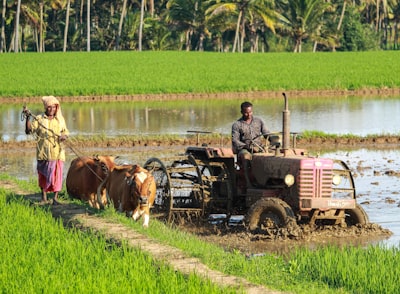
Nuru: Saving Cassava Crops Across Africa
PlantVillage's Nuru app uses AI to diagnose cassava diseases from phone photos, fully offline, helping farmers protect the crop that feeds 800 million people.
Old Phones Listening for Illegal Logging
How recycled smartphones and AI acoustic monitoring are protecting millions of acres of rainforest from illegal logging and poaching in 35+ countries.
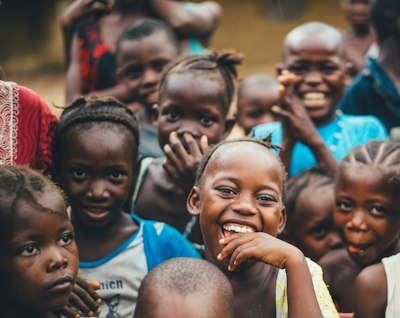
UN Women: Closing the AI Gender Gap
UN Women uses AI to advance gender equality, training women in AI and data science across Africa, Asia and Latin America and pushing for inclusive AI.
AI Microscopes Make Water Testing Instant
WaterScope and computer vision are replacing 48 hour lab tests with minutes long field analysis, bringing safe water testing to communities that need it most.
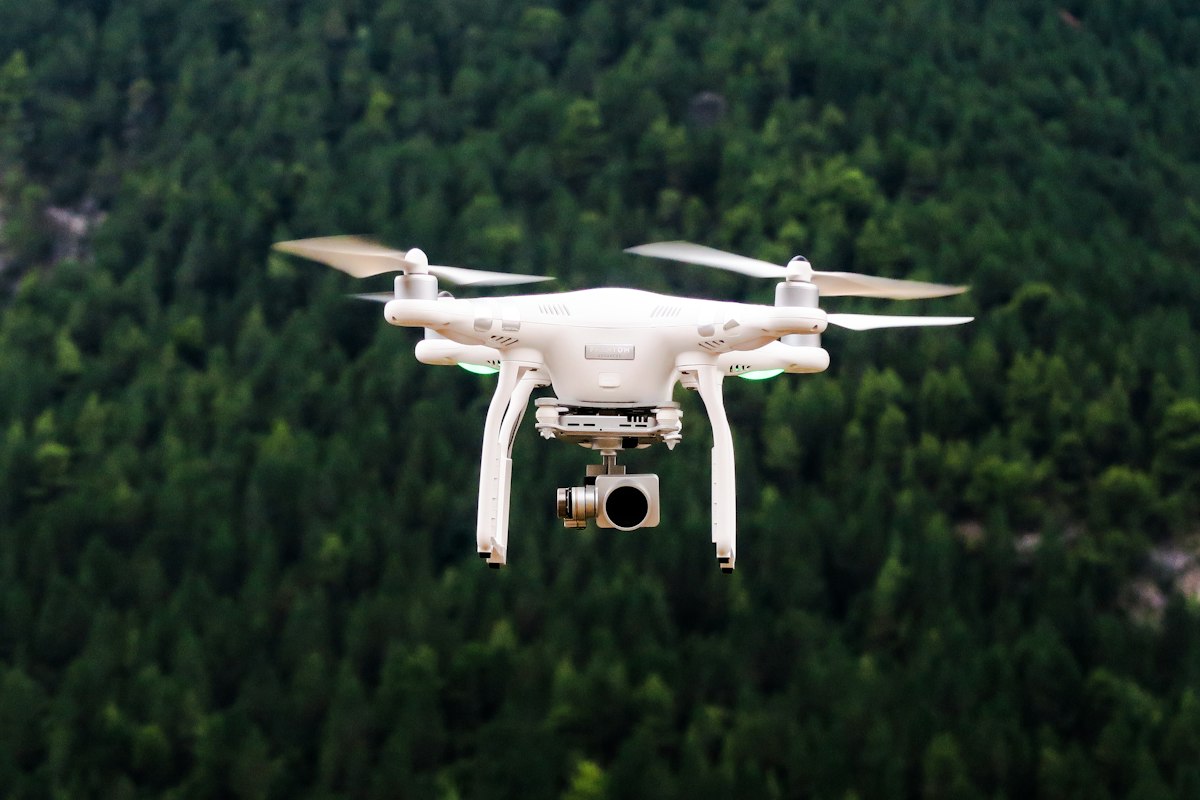
Zipline: 1.8 Million Deliveries and a $150M Expansion
Zipline has completed 1.8 million autonomous drone deliveries, cut maternal deaths by 56% in served areas, and is expanding to 15,000 facilities.